POKERSTARS CASINO · DESIGN SYSTEM
GAME TILES
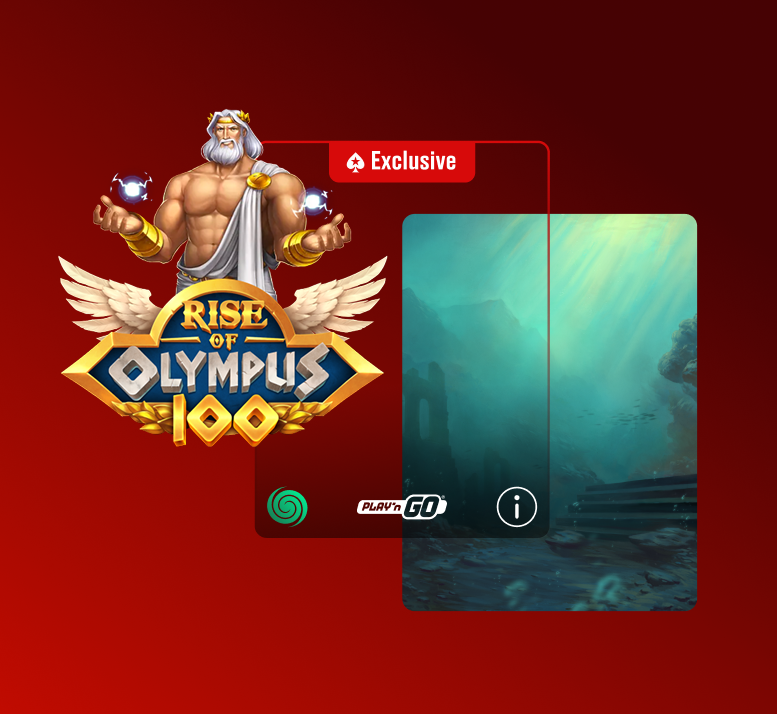
PokerStars Casino featured hundreds of game tiles across its platform, but the experience felt visually outdated and inconsistent. Each tile was built as a single static image, limiting flexibility across devices, layouts, and promotional campaigns.
As the product evolved, the tiles could no longer support the growing need for scalability, responsiveness, and richer user interaction.
MY ROLE
01 · THE CHALLENGE
REDESIGNING THE SYSTEM
WITHOUT LOSING THE GAME.
The goal was to redesign the entire tile system without losing the strong visual identity of each game.
The new solution needed to work across multiple responsive formats while also supporting additional UI elements such as promotional bonuses, provider information, and contextual actions.
The challenge was balancing visual impact with usability in a very compact space.
02 · THE APPROACH
FROM STATIC ARTWORK
TO MODULAR UI.
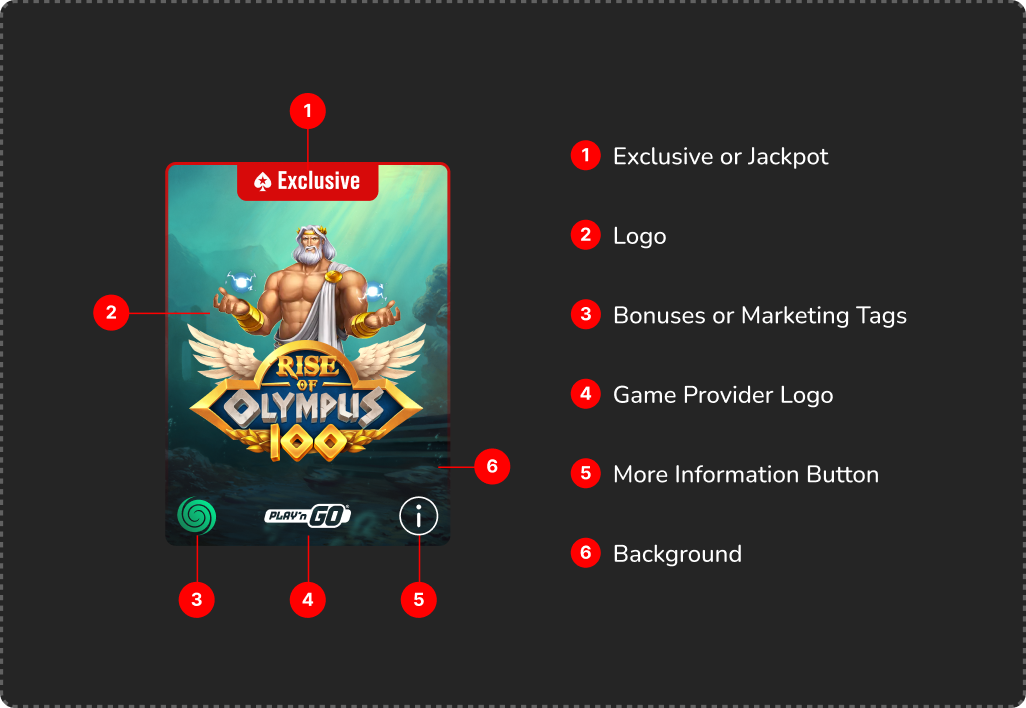
Instead of treating tiles as flat images, the redesign transformed them into modular UI components. Each tile was rebuilt using layered elements:
- Foreground — dynamic game logo
- Background — adaptable game artwork
- Footer — game provider and metadata
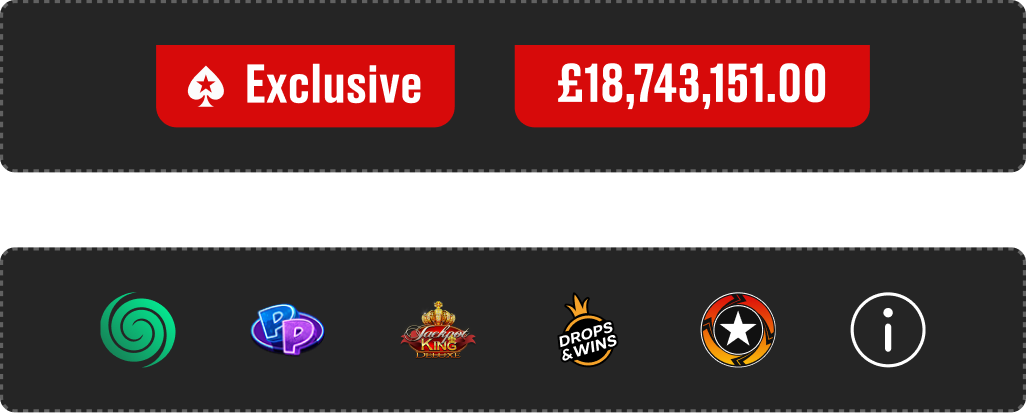
- Interactive elements — bonus information and “More Info” actions
This structure created a flexible system that could easily adapt to five different responsive formats while maintaining consistency across the platform.
03 · DESIGN THINKING
MORE ALIVE.
MORE SCALABLE.
The focus was to make the tiles feel more alive and immersive while improving clarity and functionality.
By separating visual layers, the artwork gained depth, logos became more readable, and promotional content could be integrated without compromising the game's branding.
The redesign also established a scalable design system that allowed new games and campaigns to be added faster and more consistently.
04 · EXAMPLES
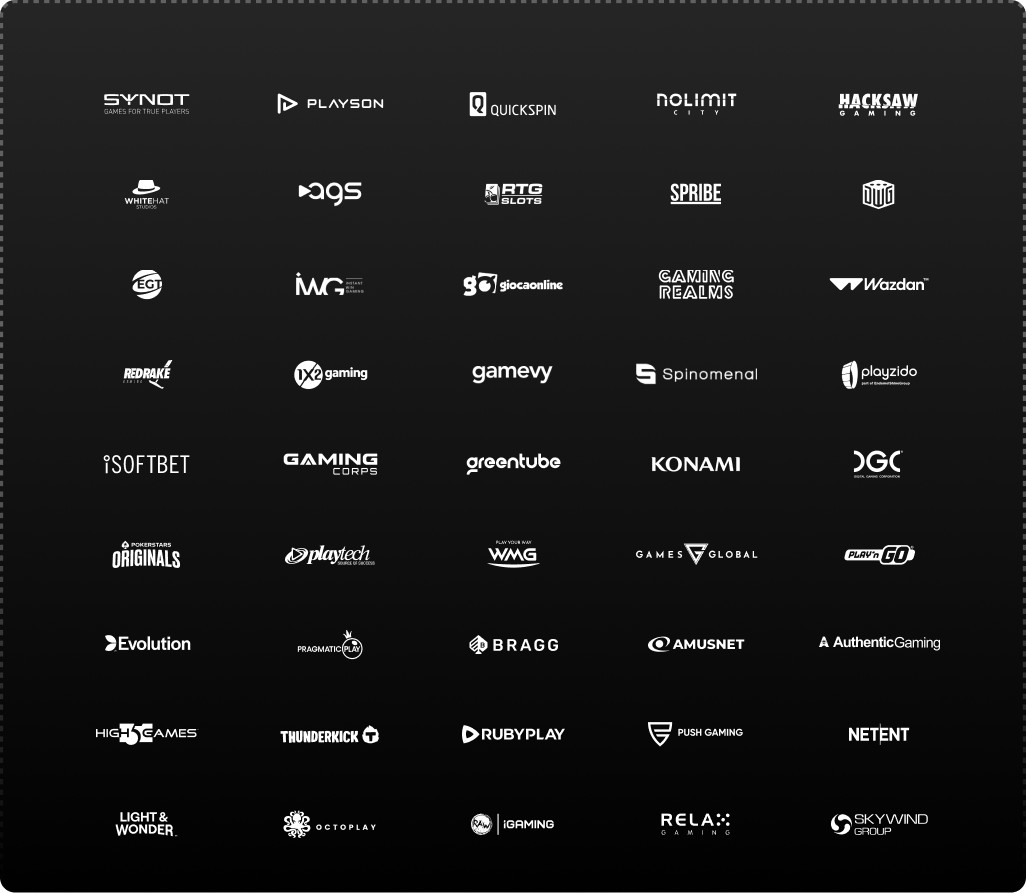
ONE SYSTEM.
MANY GAME IDENTITIES.

05 · OUTCOME
FASTER TO BUILD.
EASIER TO SCALE.
By transforming static artwork into a modular adaptive system, the production workflow was reduced from manually creating five separate assets per game to simply uploading two layered components — dramatically improving scalability, consistency, and production speed.